Beyond the ordinary
Introduction
Three years ago I walked into Aston University not knowing anyone, not fully knowing myself, and certainly not knowing the professional I was capable of becoming. This page is a reflection on the skills I have developed across my time on the Business Enterprise and Development programme. It is not a tick box exercise. It is an honest look at where I started, what I worked on, and where I have landed.
Communication & Presentation
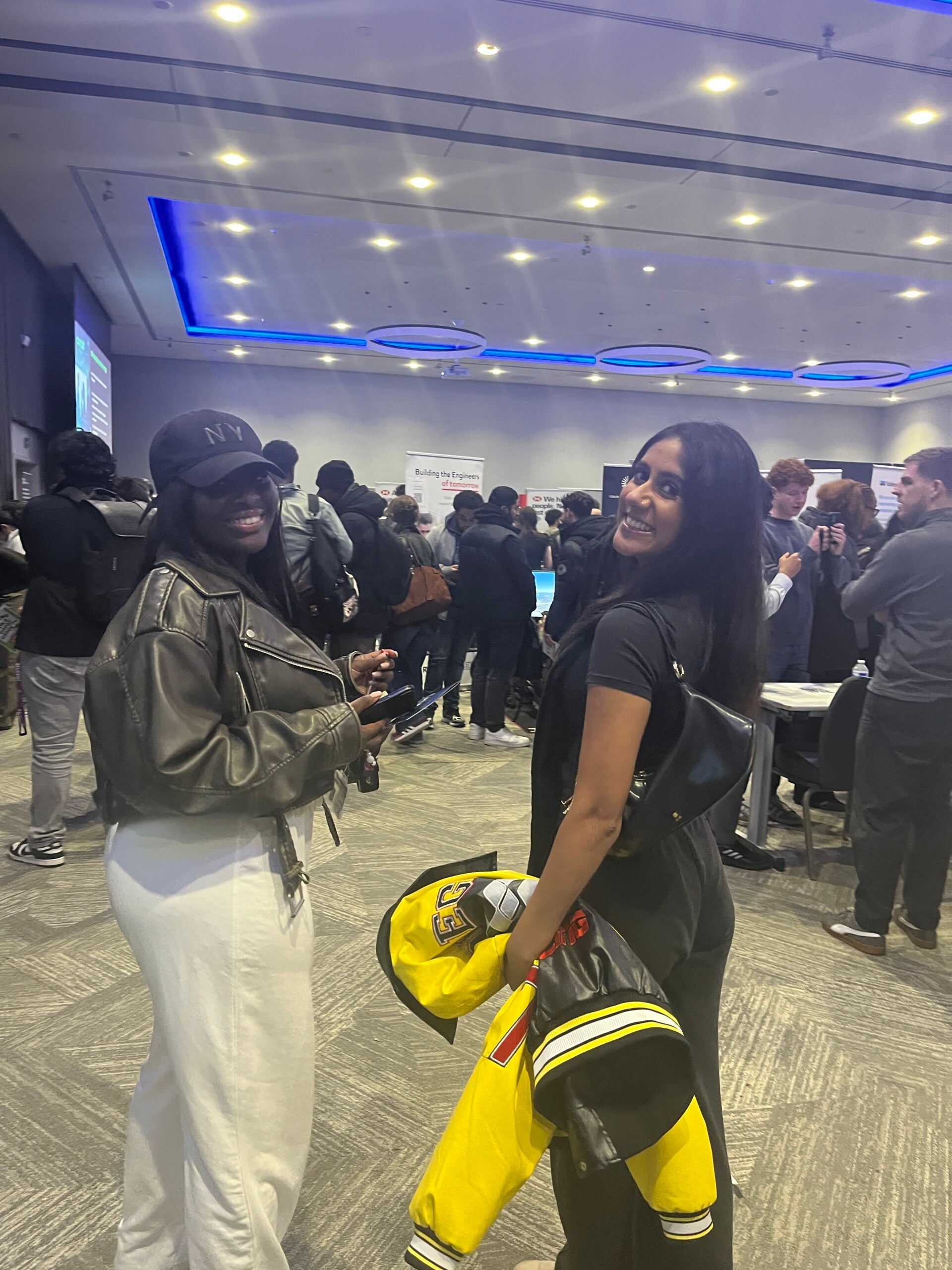
When I think about how far my communication skills have developed, the Houston's Calling events tell the story best. From a rusty first pitch in October 2025 to a confident, polished contributor to a year group end of year video by May 2026 — the growth is undeniable. I have learned to speak clearly, present creatively, and engage audiences in ways that feel natural and authentic.
White (2021) argues that communication is one of the most powerful soft skills a professional can develop — and this is a skill I have actively and consciously worked on throughout my three years. Whether presenting a game show to my cohort, standing confidently at a poster fair talking about RILAIDITT, or contributing to team pitches, I have learned that communication is not just about words — it is about connection.
Leadership & Self Leadership
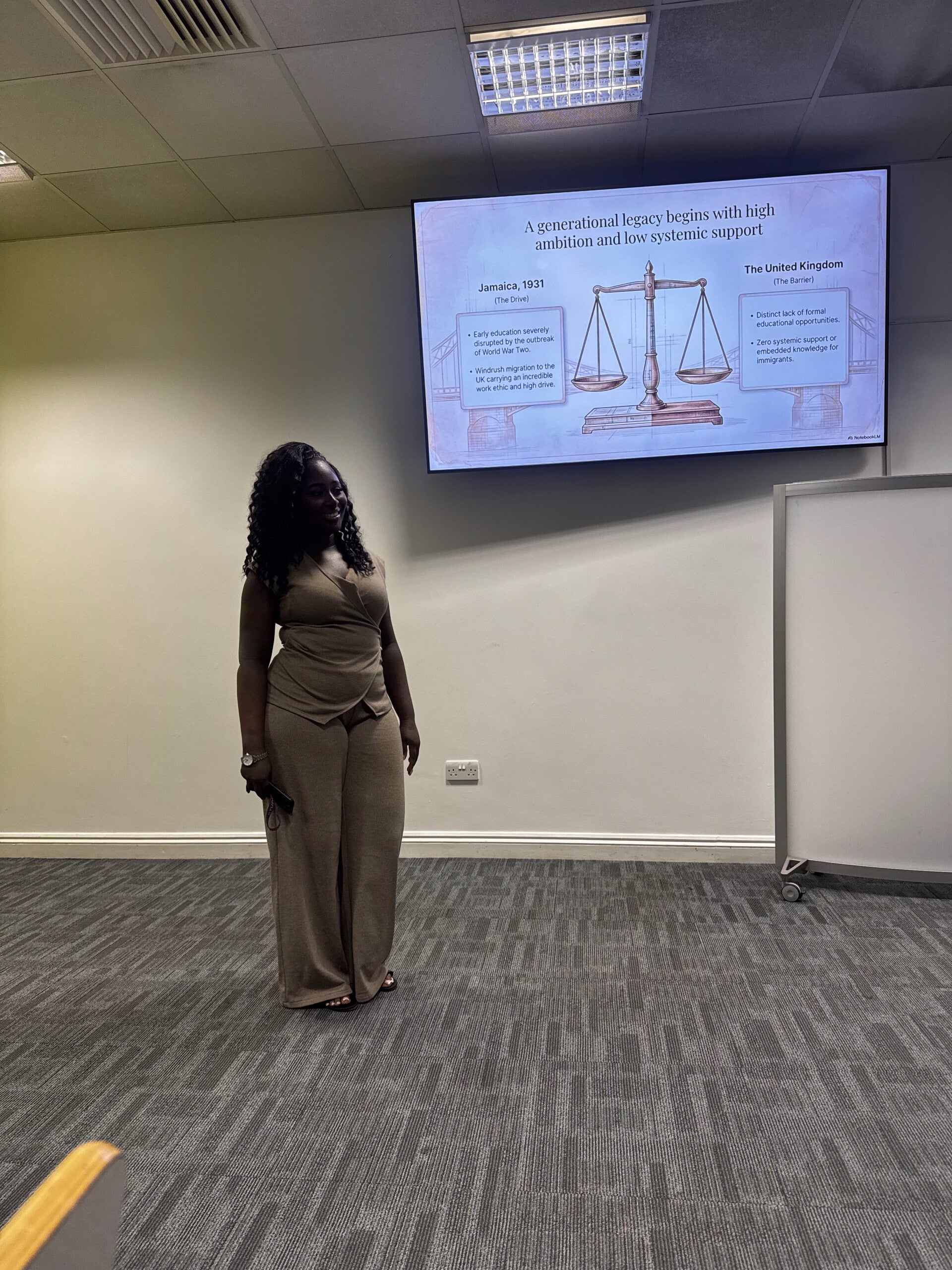
My leadership journey has been one of the most significant areas of growth across the programme. I moved from an autocratic style in early years — driven by a desire to control outcomes — to a far more laissez-faire approach that trusts and empowers the people around me. This shift did not happen overnight. It came from experience, from difficult team dynamics, from moments of conflict and moments of unity.
Widdowson and Barbour (2021) define self leadership as the ability to take ownership of your own growth and direct your own development with intention. This resonates deeply with where I am now. I set my own goals, I hold myself accountable, and I show up for my team even when it is difficult. Creating the name Team Phoenix, driving the brand concept, and leading the creative direction in client challenges like Afroganza are all examples of self leadership in action.
Teamwork & Collaboration
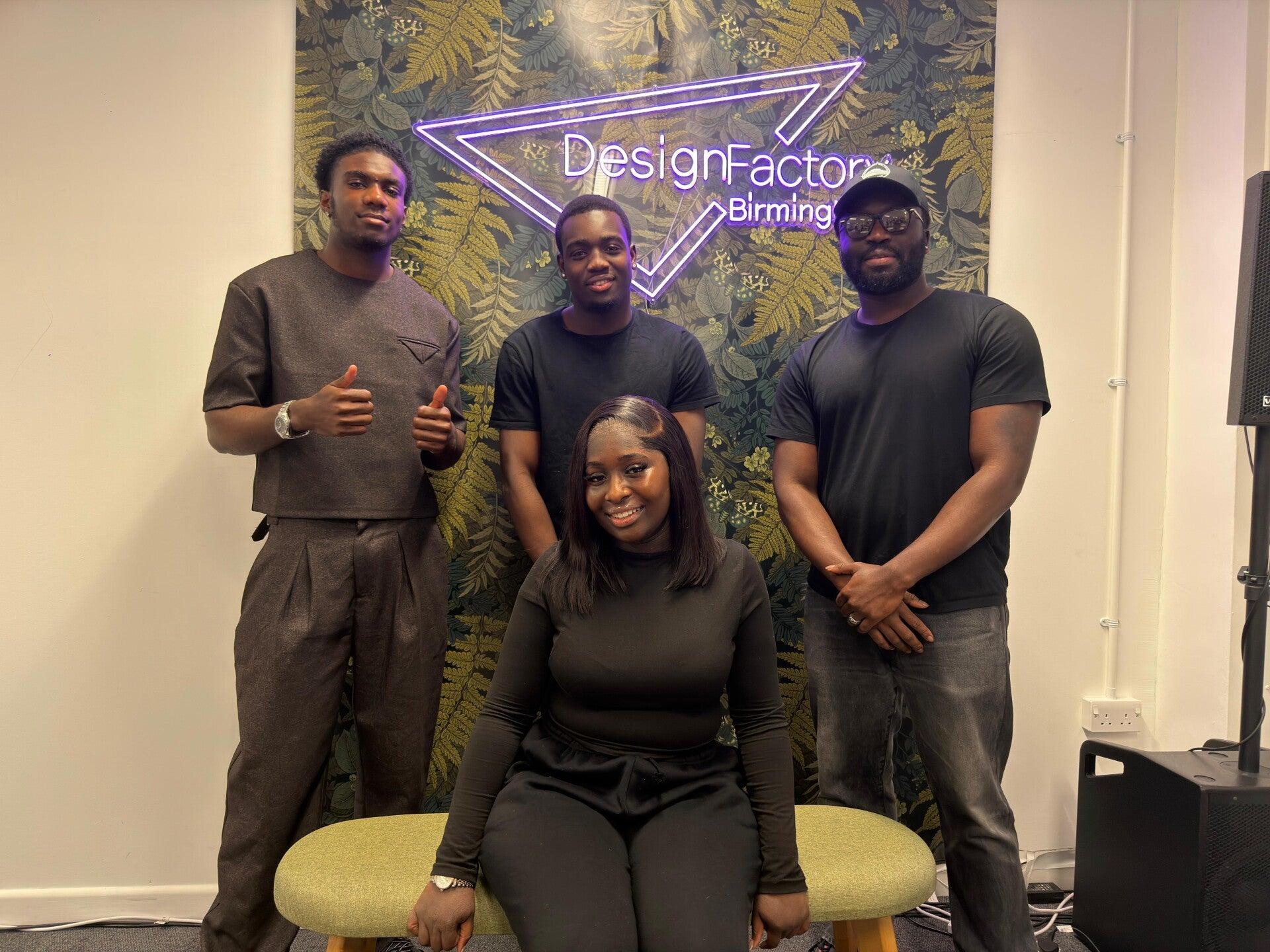
Teamwork is perhaps the skill I have been tested on most consistently across three years. From a team with no passion that slowly fell apart, to Future First where strong personalities clashed before finding common ground, to Team Phoenix where we each flourish individually whilst supporting each other collectively — every team experience has added a new layer to my understanding of what great collaboration looks like.
Katzenbach and Smith (2015) argue that the most effective teams are built on complementary strengths and mutual accountability. I have lived this. I have been the creative, the marketer, the name giver, the follower, the leader — and each role has taught me something different about what it means to truly collaborate.
Entrepreneurial Thinking & Digital Capability
Building RILAIDITT from a hobby into a real business has been the single greatest demonstration of my entrepreneurial thinking. What started as doing hair for friends became a brand with a growing social media following, real customers, and a clear identity. The poster exhibition HC was a turning point — turning a university event into genuine business development and customer acquisition.
My decision to present this portfolio as a website rather than a written report is itself a demonstration of digital capability. Every design choice, every page, every section has been a deliberate act of creative and digital communication. Chandler and Lyon (2001) highlight that entrepreneurial thinking requires not just ideas but the ability to execute them creatively and adapt along the way — and this is something I have done consistently throughout the programme.
Reflective Practice & Academic Growth
Perhaps the area of growth I am most quietly proud of is my academic development. My writing has become more detailed, more analytical and more confident. I have learned to go beyond description and engage critically with theory — linking academic ideas to real experiences in a way that feels meaningful rather than mechanical.
West (2012) emphasises that reflective practice is one of the most powerful tools available to any professional. Across five Houston's Calling events, three years of team experiences, and this portfolio itself, I have developed the habit of reflection — not just looking back at what happened, but asking why it happened, what it means, and what I will do differently as a result.

Conclusion
The Skills Wheel, the Learning Cloud and the Professional Standards have been a backdrop to everything I have done on this programme. But the real measure of my growth is not found in a framework — it is found in the distance between first year Rianne and the person writing these words today. Confident. Bold. Entrepreneurial. Reflective. Ready.
Create Your Own Website With Webador