Leadership and Followership
One of the most important things my time at Aston has taught me is that being a great leader and being a great follower are not opposing skills. They are complementary ones. The most effective people in any team know when to step forward and when to step back. Over three years I have had to do both. And I am a better professional for it.
Following — The Power of Humility
Followership is something that often gets overlooked in conversations about leadership. But it is just as important. Uhl-Bien et al. (2014) define followership as the behaviours and processes of individuals who are not currently in a leadership role but who nonetheless contribute meaningfully to the outcomes of the group. Being a great follower is not about being passive. It is about being purposeful.
The Future First networking event taught me this in the most practical way possible. AI and property are not my fields. They are not my expertise, my passion or my area of knowledge. And because of that I had to make a conscious decision to show up differently. Rather than trying to lead or impose my perspective on areas I did not fully understand, I focused on what I could contribute, my marketing and social media expertise, and supported the wider vision of the team.
Humility is one of the most powerful qualities a team member can bring. Lencioni (2016) identifies humility as the first of three essential virtues of an ideal team player, arguing that those who lack it prioritise their own ego over the needs of the team. In Future First, checking my ego and recognising that my role was to support not to take over was what allowed me to contribute most effectively. It was not about shrinking myself. It was about being honest about where my value actually sat in that context.
Matshoba-Ramuedzisi et al. (2022) further highlight that effective followers are those who bring their strengths to a team whilst remaining deeply aware of the boundaries of their role. This resonated with me so much. I did not need to know everything about AI or property to be valuable in that team. I needed to know my lane, own it completely, and trust my teammates to own theirs.
Leading — Finding My Style
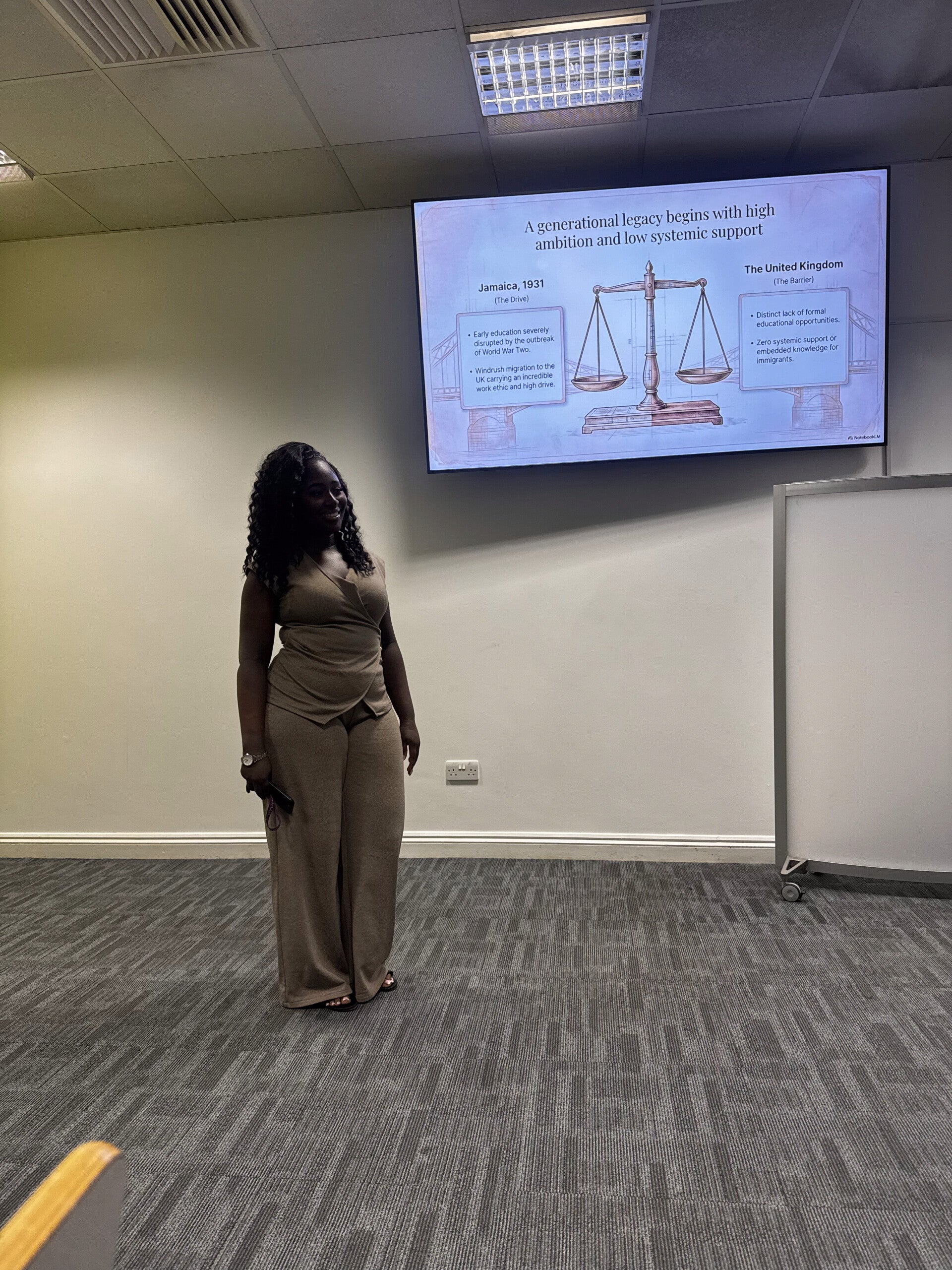
I would confidently describe myself as someone who can lead a team. But the way I lead today looks very different to how I led in the beginning.
In my earlier years my natural instinct was to take control. I was autocratic in my approach, making decisions, directing the team, and pushing for outcomes in a very top down way. At the time it felt necessary. I wanted things done well and I was not always confident that stepping back would get us there. Lewin's leadership styles framework identifies autocratic leadership as one where the leader retains control and makes decisions independently. And whilst this can be effective in certain situations, it has real limitations when it comes to team morale and creativity. Looking back I can see that my autocratic tendencies in those early stages sometimes got in the way of letting other people contribute fully. I was so focused on the outcome that I did not always create space for the process.
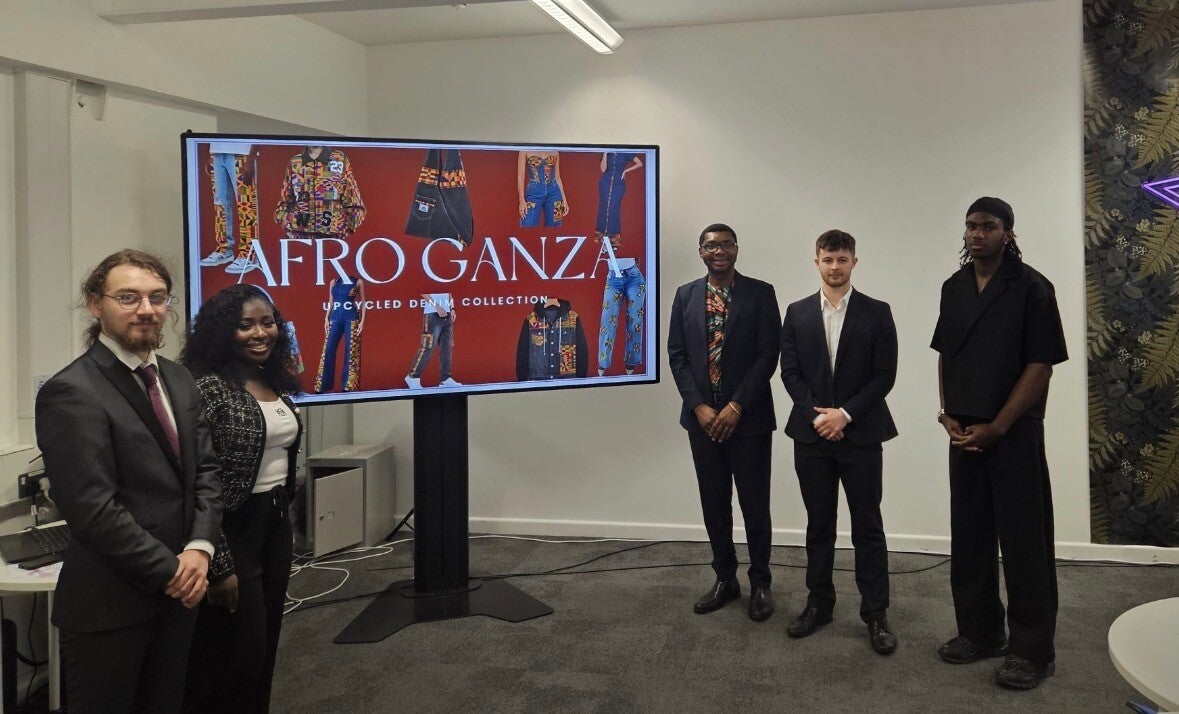
A clear example of my leadership came during the Afroganza client challenge, where the team needed to add a creative dimension to the project. I stepped up, drove the creative concept, and guided the team through it. Similarly in Future First as Head of Social Media and Marketing there were moments where I naturally took the lead on creative direction and strategy. Those moments felt comfortable because I was leading in my area of genuine strength, which is something I have come to understand matters a lot.
But over time my style evolved. Today I would describe myself as far more laissez faire in my approach, giving my team members the space and autonomy to contribute, create and own their work. This shift did not happen overnight. It came from recognising that the best ideas do not always come from the person at the front of the room. Northouse (2018) describes laissez faire leadership as a hands off style that empowers individuals to take ownership. And within a team like Phoenix, where everyone is running their own business, this approach feels not just natural but necessary. If I tried to lead Phoenix the way I led in year one, it would not work. These are women who know what they are doing. My job is to support that, not direct it.
Widdowson and Barbour (2021) argue that self aware leaders are those who can adapt their style to the needs of their team and context. That is exactly the kind of leader I am becoming. Knowing when to lead boldly and when to trust your team is a skill. And it is one I have worked hard to develop across three years.
What This Has Taught Me
Above all else, leadership and followership have taught me to consider others. It sounds simple but it is perhaps the most profound shift I have made over three years. In year one I was focused on myself, finding my feet, building my confidence, figuring out where I fit. But as I have grown I have come to understand that the best leaders are not those who think about themselves the most. They are those who think about others first.
Whether I am leading a creative direction in a client challenge or supporting a team in a field that is not my own, the question I now ask myself is what does this team need from me right now. That shift in perspective has made me a better teammate, a better leader and a better follower. West (2012) argues that the most effective team members are those who balance their own contribution with a genuine awareness of those around them. And this is something I now carry into every team I am part of.
Considering others is not a weakness. It is one of the greatest strengths a leader can have. And it is something I am still learning, still practising, and still growing into every single day.
Create Your Own Website With Webador